 Best-reviewed
Sierra Chincua day tour
Pickup 6:00–8:00 from any Mexico City hotel.
$292 pp, group of 3+Check dates
For most visitors the answer is February: colonies are still dense and warm afternoons bring the biggest flights. Late January is just as good for clusters. December suits travellers who want quieter trails, and early March is the last chance before the butterflies leave, with thinner colonies.
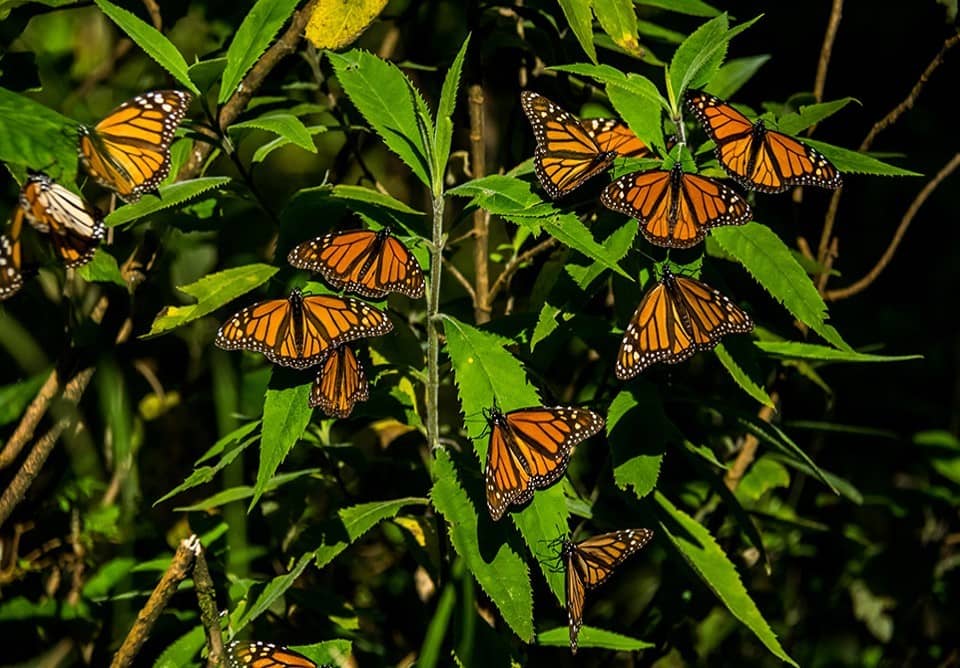
February combines two things a visit needs. The colonies that formed in December and January are still large, and the afternoons are warmer, so on a clear day thousands of monarchs leave the branches at once. One guest on the Sierra Chincua tour went in mid February and saw “thousands of butterflies fluttering around”. The catch is crowds: it is the busiest month, so a weekday matters more than in December.
January has the densest clusters of the season, with trunks covered from top to bottom, and is the month to pick if you want photos of the colony rather than flight. December brings settled colonies and quieter weekdays, and cold mornings mean the clusters open later, so a midday arrival still pays off. Late November is early: the sanctuaries have only just opened and the clusters are smaller.
The monarchs reach central Mexico in late October and early November, and the sanctuaries open once the colonies settle, in late November. They stay until March, when warmer weather sends them north. From April to October the gates are closed. Tap a month to see what to expect, when to be at the colony and how busy it gets.
February is the classic month. Colonies are still large and warmer afternoons send clouds of monarchs into the air. It is also the busiest month, so pick a weekday if you can.
 monarchs in flight over the trail
The first monarchs reach the fir forests in late October and early November and gather into colonies. Sanctuaries open late in the month, so a November trip means early, smaller clusters and quiet trails.
 first clusters on oyamel firs
By December the colonies have settled and the firs hang heavy with butterflies. Mornings are cold, so clusters stay closed until the sun reaches them; sunny middays bring the first big flights.
 branches heavy with clusters
January has the densest colonies: branches bend under the weight and trunks look orange from top to bottom. On sunny days thousands take off at once, and by late January the flights grow longer.
dense cluster on a trunkAs temperatures rise the monarchs mate and start their journey north. Colonies thin out through the month and the sanctuaries close at the end of March, so go early in the month.
 thinning colony in spring light
Season: Mexican press reports on the 2025–26 and 2026–27 seasons, Nov 2026.
The butterflies arrive tired after a migration of thousands of kilometres and spend the first weeks gathering on the oyamel firs at about 3,000 m. By December the colonies have settled and the trees hang heavy with clusters. Through January they stay largely still on cold days, and in February rising temperatures make them more active. In March they mate and leave, and the colonies thin out week by week until the sanctuaries close.
Monarchs cannot fly when they are cold. On a chilly morning at 3,000 m the clusters stay closed on the branches; once the sun reaches them, usually from about 11:00, they open and take off in waves until mid-afternoon. On a cloudy day you still see the colony, just with far less movement.
From Mexico City the Michoacán sanctuaries are about 3.5 hours away, and at El Rosario the walk to the colony takes another 30 to 60 minutes at altitude. Leaving at 6:00 to 8:00 puts you at the colony in the warm middle of the day. From Morelia the drive is shorter, so the Plaza de Armas tour can leave at 9:00 and the guided day trip at 7:30.
Weekdays are quieter than weekends at every sanctuary, so a mid-week visit gives you calmer trails and more room at the colony. Weekends and Mexican holiday periods bring local families and groups, and February, as the peak month, draws the most visitors. If you can only go on a weekend, start early and aim to reach the colony by late morning.
The season overlaps Christmas, New Year and, in some years, the start of Easter week, all periods when Mexican families travel. Expect more visitors on the trails and at the viewing line on those days. Early December, outside the holiday weeks, and early March are generally calmer than the February weekends.
On a shared tour the timetable is fixed. The private Valle de Bravo tour lets you pick a start between 7:00 and 12:00, and the private El Rosario tour leaves at 7:00 for up to three people, so you can plan around the busiest hours rather than with them.

The sanctuaries are high in the mountains, so mornings are cold even when Mexico City feels mild, and the sun can be strong by midday. Trails are dusty when dry and muddy after rain. Dress in layers you can peel off as you climb, wear closed shoes with grip, and carry water, sunscreen and cash in pesos.
At around 3,000 m the air is thin and cool, and the walk up raises your temperature fast, so a light jacket over a T-shirt works better than one heavy coat. By midday the sun is strong enough to burn, and the tour page for Sierra Chincua asks guests to bring biodegradable sunscreen and repellent. A hat helps on the open stretches of trail.
After rain the trails turn slippery, and guests on the Valle de Bravo tours describe choosing the horse “since it was slippery and muddy” and being caught out by cool, muddy conditions. Shoes with grip matter more than anything else you pack. Horses cost about 200 MXN each way at the Michoacán sanctuaries, paid in cash.
The 2026–27 season is expected to open in late November 2026, once the monarchs have settled; the opening is announced each autumn and the gates close at the end of March. Four sanctuaries are listed for this season, three in Michoacán and one in the State of Mexico. Piedra Herrada near Valle de Bravo announces separately.
The opening follows the butterflies, not the calendar: the reserve opens when the colonies have formed, which in recent seasons has been in the second half of November. Last season the sanctuaries opened in late November 2025 and closed in March 2026. Until the official announcement, plan for late November at the earliest, and treat December onwards as the safe window.
Sources: Mexican press reports, Nov 2025 – Nov 2026.
Day tours are timed to reach the colony in the warm midday window, which is why pickups are so early. For February pick a weekday; the Sierra Chincua tour offers free cancellation up to 24 hours before, so you can switch dates if the forecast looks grey.
If none of the tours above fits your dates, GetYourGuide’s own selection below updates with what is bookable for the season.
February, closely followed by late January. Colonies are dense and warm afternoons bring the biggest flights. Month by month →
They open in late November once the colonies settle and close at the end of March. The opening is announced each autumn. Season opening →
Only late in the month, after the sanctuaries open; colonies are still forming and smaller. November →
Early March, yes. Colonies thin out as the butterflies leave, and the sanctuaries close at the end of the month. March →
You still see the colony, but the butterflies stay clustered. Free cancellation on the Sierra Chincua tour lets you move the date up to 24 hours before. Tours →
No. From April to October the monarchs are in the US and Canada, and the sanctuaries are closed. Plan for the season →
The Sierra Chincua day tour from Mexico City picks you up at your hotel and offers free cancellation up to 24 hours before.