


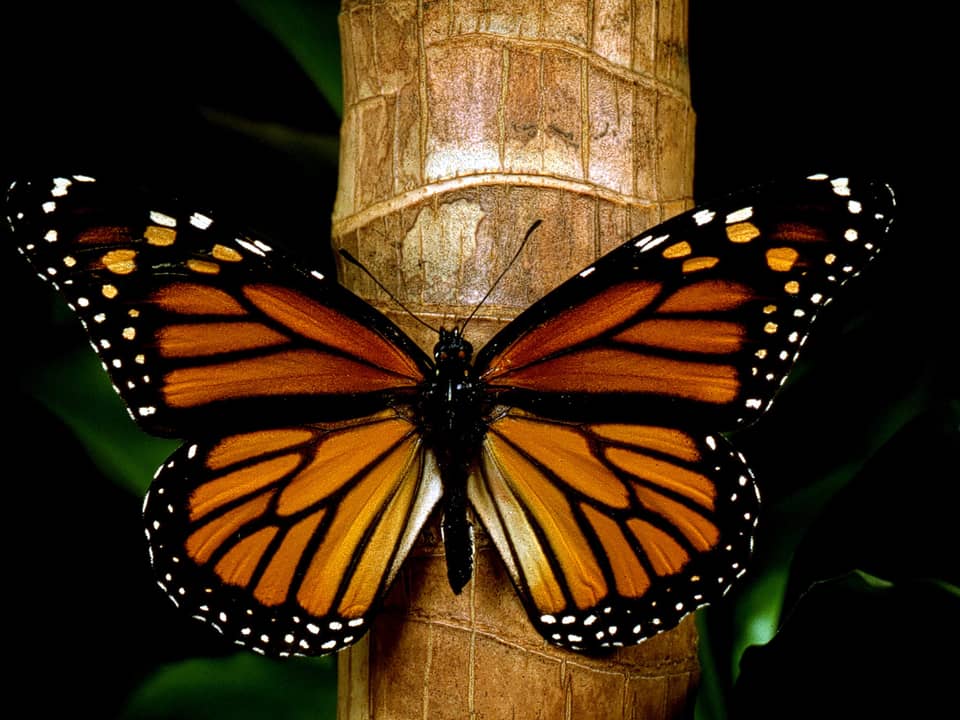


 Trunks covered in clusters
El RosarioClusters on trunks and monarchs carpeting the floor.El Rosario guide →
Monarch butterfly sanctuary photos show two scenes: dense orange clusters hanging from fir trunks in the cool morning, and monarchs filling the air once the sun warms them, usually between about 11:00 and 15:00. Every frame below comes from a real tour’s gallery, sorted by sanctuary.
Expect forest first and butterflies second: tall oyamel firs, a dusty or muddy trail, then trunks and branches turned orange by clusters. On sunny afternoons the monarchs lift off and settle on the trail and on leaves. On a cold or cloudy day you see the clusters, with far less movement. Pick a sanctuary to see its frames.
Photos: GetYourGuide tour galleries, Nov 2026. Tap a photo to open its tour.
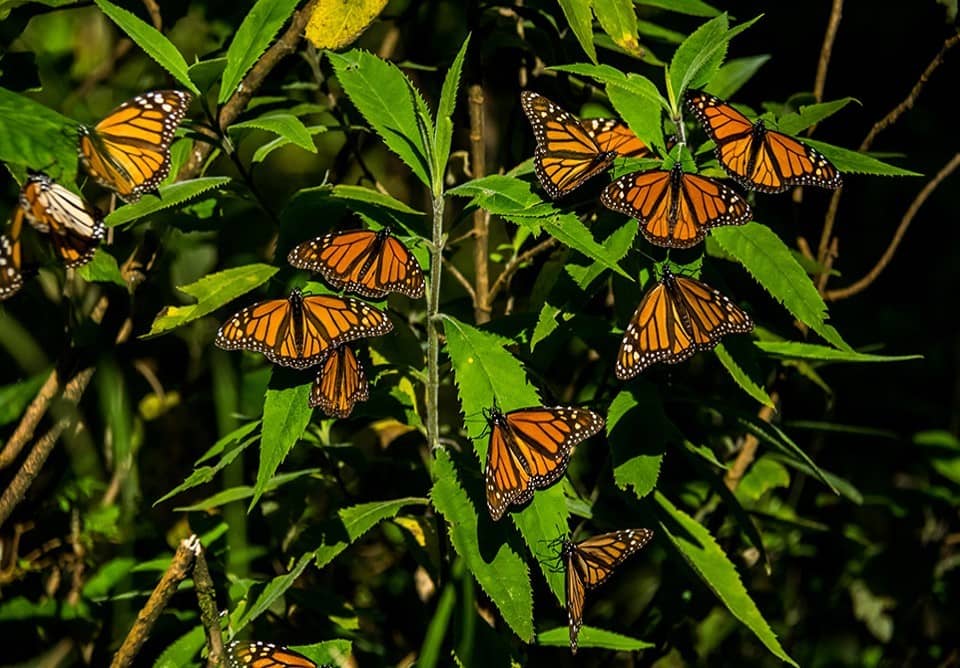
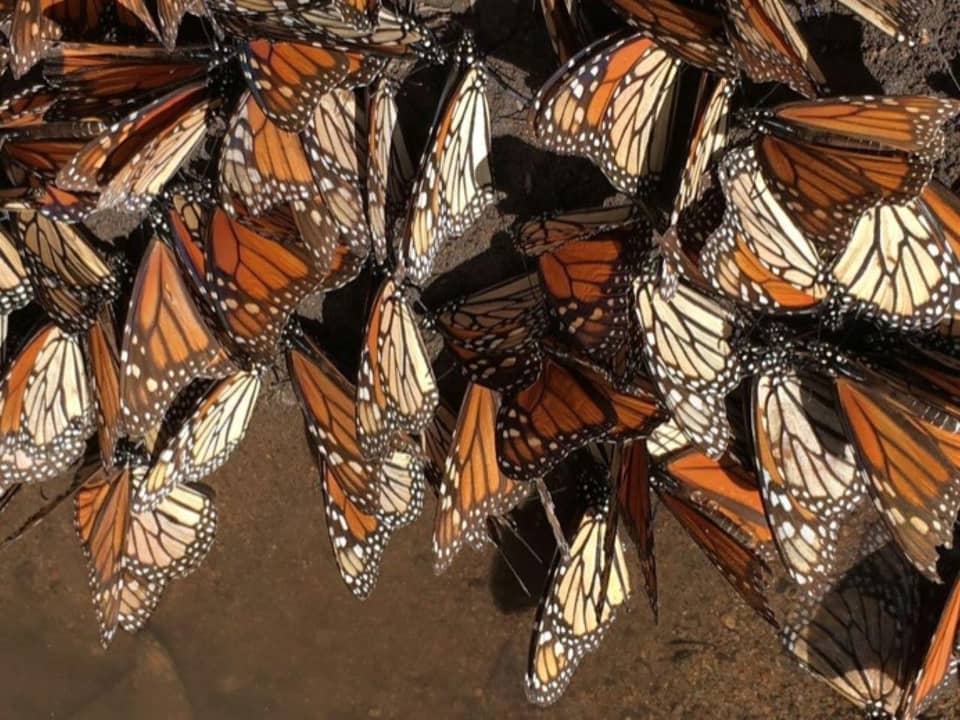
For most of the day the colony looks like orange-brown bark: thousands of monarchs hang wing to wing from the trunks and branches of the firs at about 3,000 m. The El Rosario tour gallery is full of these frames. They are easiest on cool, overcast days, when nothing moves and you can work slowly.
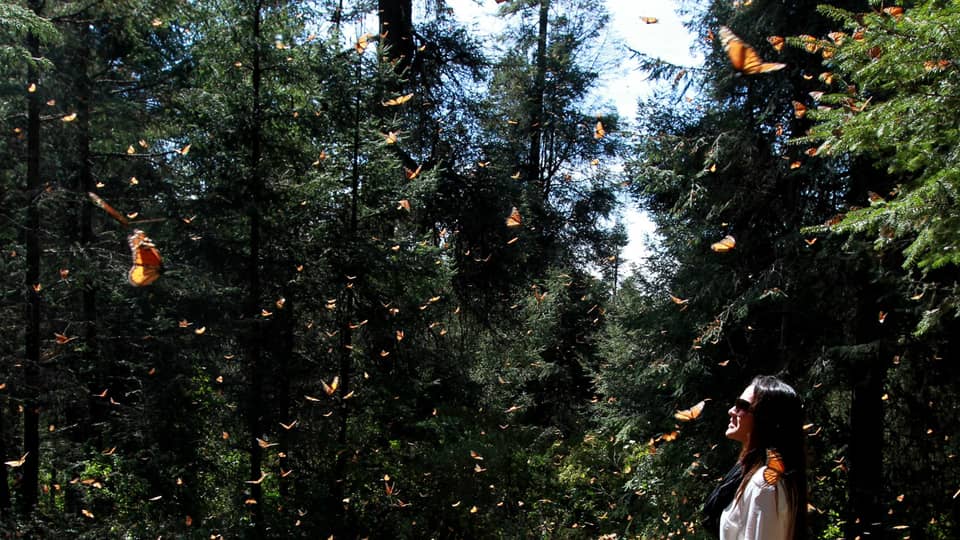
When the sun reaches the colony the clusters open and the air fills with butterflies; one guest on the El Rosario tour wrote that what you think is the wind is millions of butterflies. These are the hardest and best frames, and they happen only in sunshine, usually between about 11:00 and 15:00.
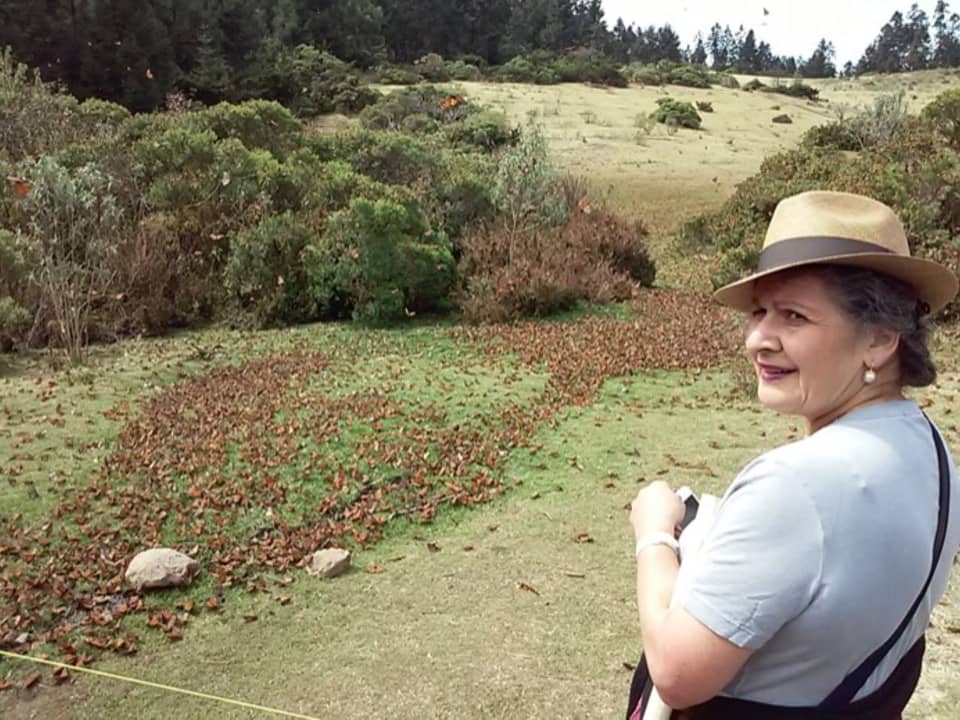
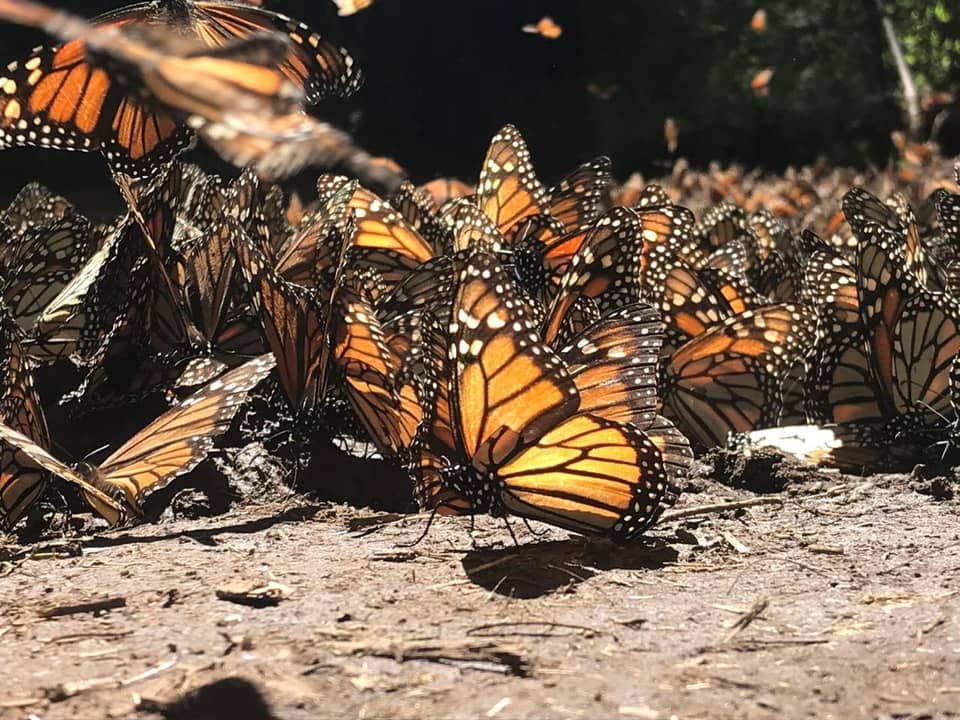
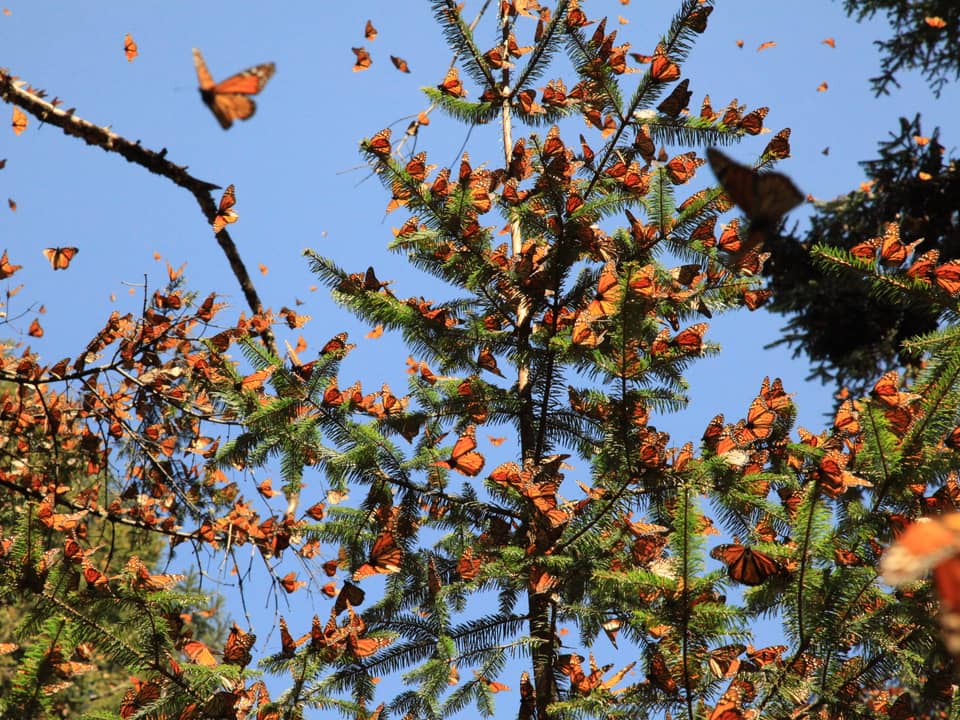
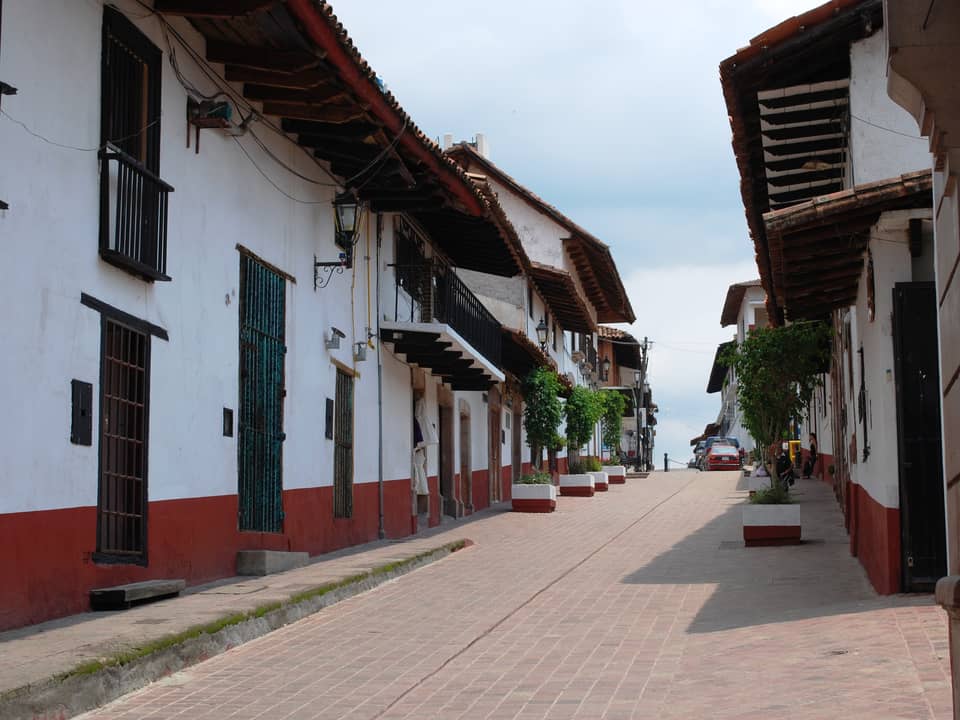
Each sanctuary’s tour gallery looks a little different. El Rosario frames show trunks covered in clusters and monarchs carpeting the forest floor. Sierra Chincua frames show wide views over forested hills. The Morelia tours’ galleries show fir crowns full of butterflies against blue sky, and the Valle de Bravo trips add the lake town.
Arrive for the sun: between about 11:00 and 15:00 the clusters open and the butterflies fly, and that is when photos come alive. A phone is enough for most frames, which are either close-ups or wide forest shots. Keep the flash off, use burst mode for flight and expose for the bright sky between the trees.
Aim for about 11:00–15:00 on a clear day. Clusters open and flight begins once the sun reaches them, and the light through the firs turns the wings bright orange. On a grey day, switch to close-ups of clusters instead.
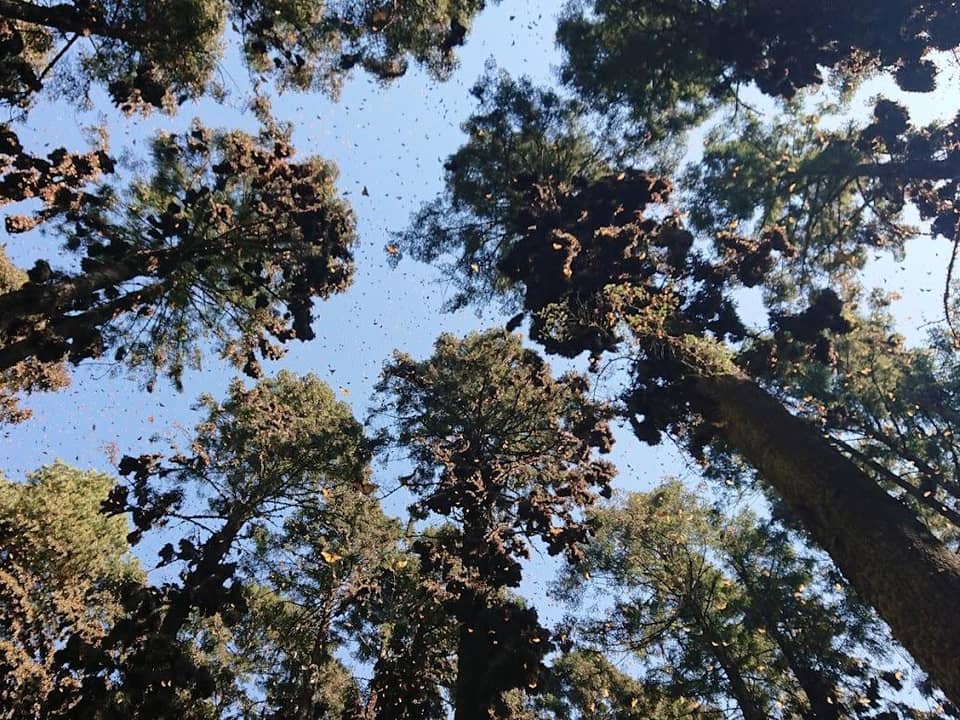 oyamel crowns with clusters against blue sky
Use burst or live mode and point the phone at a patch of sky between the trunks, where flying butterflies stand out against the light. Hold still and let them cross the frame rather than chasing one.
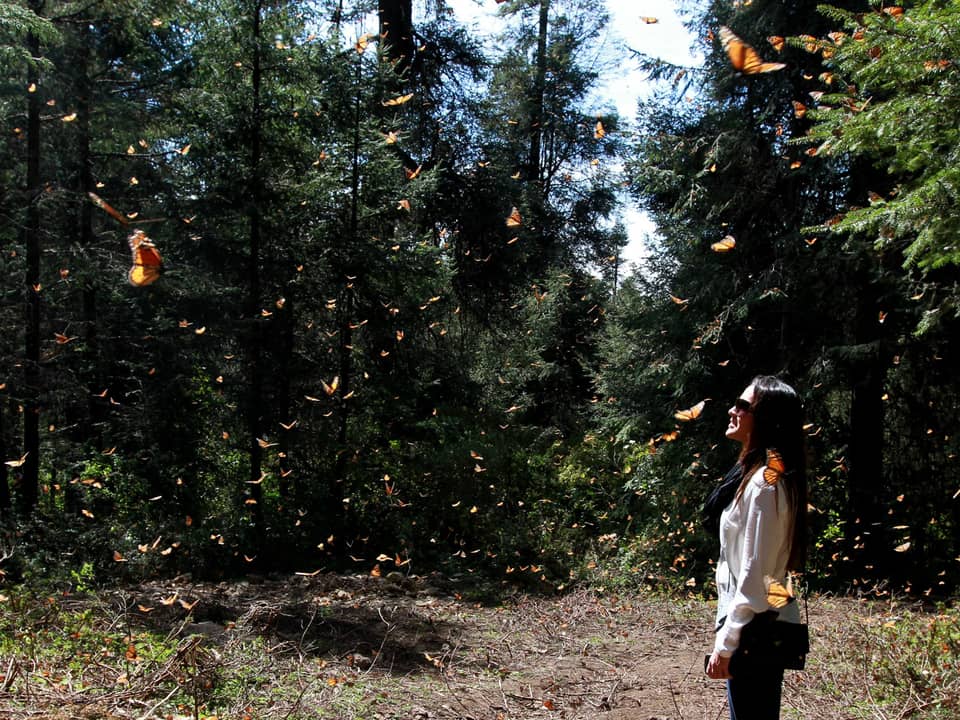 woman in the forest with monarchs flying around her
Under the firs the scene mixes deep shade and bright sky. Tap the brightest area so it doesn’t burn out; the forest stays rich and the clusters keep their colour. Flash is not allowed, and it would flatten the scene anyway.
 forest with clustered colonies on trunks
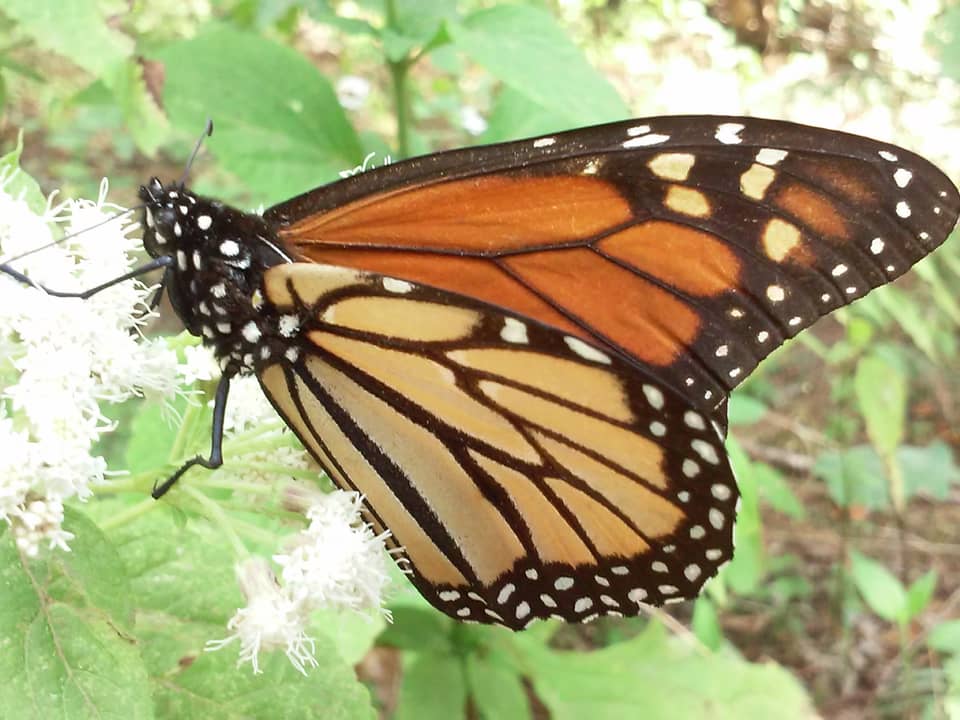
Start with one wide frame that shows a whole orange trunk in its forest, so the scale is clear, then move in on a single cluster and finally on one butterfly on a leaf or on the trail. Guides keep visitors behind a marked line, so a little zoom helps with clusters high in the firs. Watch your step: on sunny days monarchs settle on the ground.
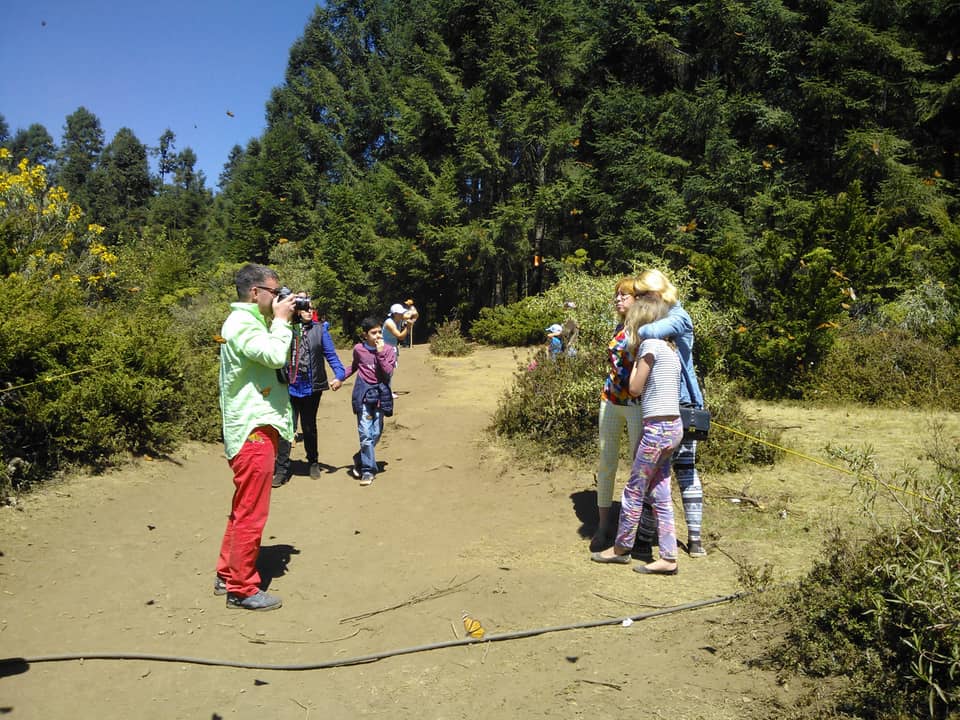
Photography is allowed at every sanctuary, with rules that protect the colony. Flash and drones are not allowed, and guides keep visitors behind the marked line. Stay on the trail, keep your voice down and don’t touch the butterflies or plants, even ones resting on the path.
Sources: GetYourGuide tour pages; Mexican press reports, Nov 2026.
The colony overwinters by staying still and saving energy in the cold, and disturbance makes the butterflies waste it. The Sierra Chincua tour page states it plainly: photography allowed, drones not. The quiet rule serves the same purpose, and the forest light under the firs looks better without flash in any case.
January is the month for the densest clusters, when branches bend under the weight. February gives the most flight on warm afternoons. December is good for settled colonies with fewer people in your frame on weekdays, and early March for the last flights before the colonies thin out and the sanctuaries close.
Whatever the month, more time near the colony means more chances to catch the sun breaking through. The Sierra Chincua day tour plans about five hours at the sanctuary, the longest of the day tours; the Morelia guided day trip lists about 2.5 hours of trail and colony.

Bring less than you think: a phone or a light camera with a modest zoom, a spare battery, a lens cloth and a small bag. Trails are dusty when dry and muddy after rain, and the walk climbs at about 3,000 m, so every gram counts. Tripods are not covered by any rule we found, but trails are narrow and busy.
Dust settles on lenses on dry days and mud splashes on wet ones, so keep the camera in a bag between stops and wipe the lens before the colony. Cold mornings drain batteries faster, which is why a spare in an inside pocket helps. A horse ride up keeps your hands free but your bag needs a strap.
For photographers the deciding factor is time at the colony. The Sierra Chincua day tour plans about five hours at the sanctuary, the Morelia guided day trip about 2.5 hours of trail and colony, and the 7-day tour visits two sanctuaries on separate days.
Source: GetYourGuide itineraries, Nov 2026.
No. Flash is not allowed near the colony. Rules →
No. Tour operators and press reports both say drones are not allowed. Rules →
Yes for most shots; burst mode helps with flight, and a little zoom helps with clusters high in the firs. How to shoot →
Under the firs the light is soft; on a sunny midday there is enough for a phone. How to shoot →
In the gallery above under El Rosario, and on the El Rosario sanctuary page. El Rosario →
We found no rule on tripods; trails are narrow and busy, so a compact one is the most you’d want to carry. What to bring →
The Sierra Chincua day tour from Mexico City plans about five hours at the sanctuary, with hotel pickup and free cancellation up to 24 hours before.